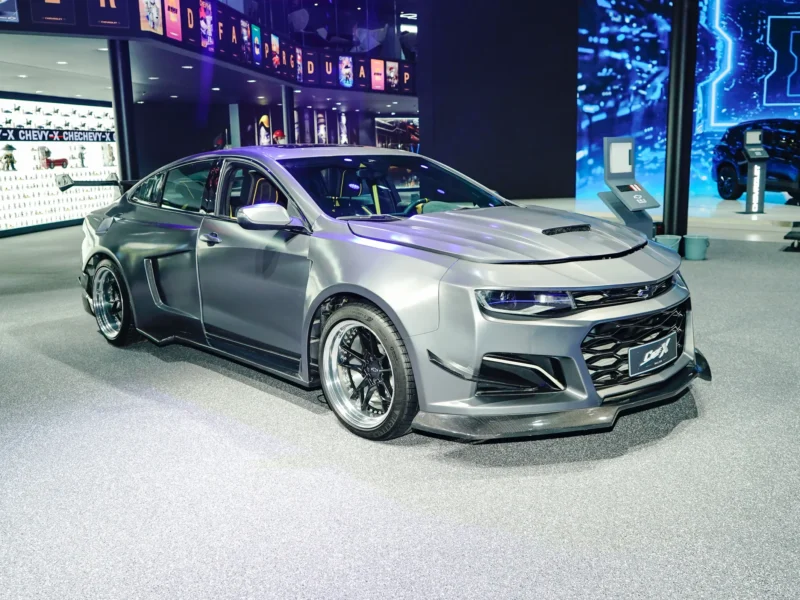
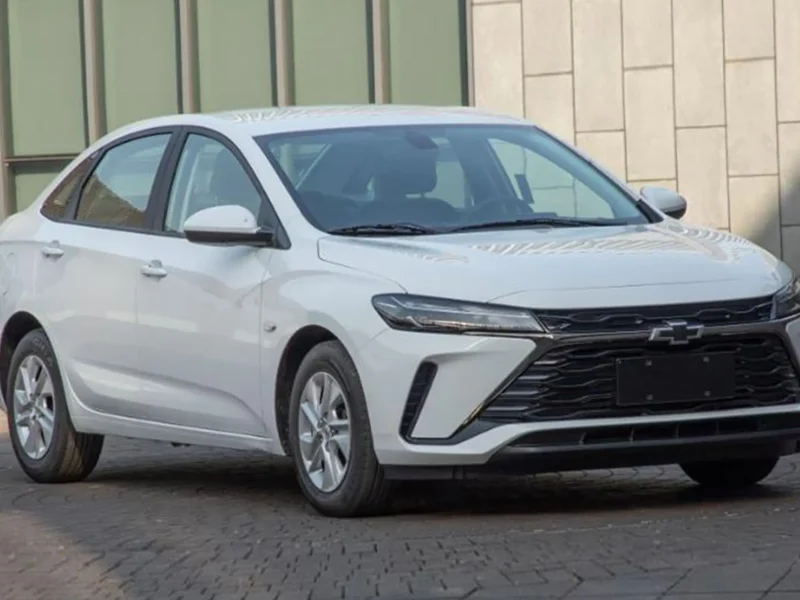
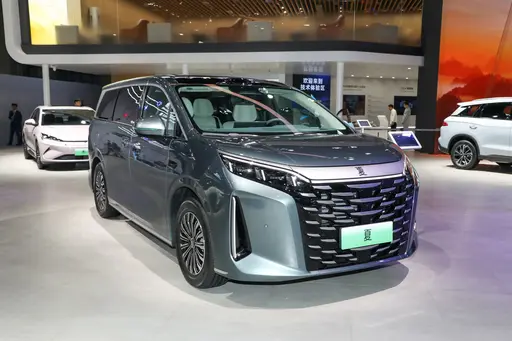
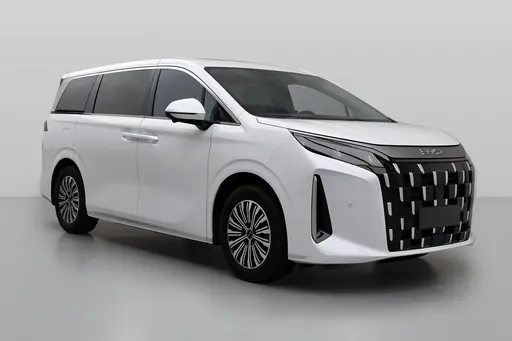
Sedan

Sedan

Why Choose Us?

Variety of Products

As a comprehensive enterprise dedicated to automobiles and clean energy, Guifacar’s business scope includes automobile sales and services, such as new cars, used cars, Chinese domestic cars, joint venture cars, new energy vehicles and fuel vehicles. We also provide solar components and lithium Batteries and other clean energy products. Giving you the freedom to choose the car that best suits your budget and style.

Perfect Service

Our customer service team will be available for customers around the world at all times. Guidance and support throughout the entire buying process, from selecting the right vehicle to final purchase.

Professional Transportation

Guifacar has established partnerships with top shipping companies and logistics companies to ensure that cars arrive at their destination on time and in good condition.

Cost-Effective Prices

Guifacar is known for offering cost-effective car prices. Our strong relationships with automakers and dealerships provide access to the latest models from top brands, including BYD, GWM, Chery, and Geely at the best prices.

Why Buy an Sedan?

Fuel Efficiency

One of the most appealing reasons to choose a sedan is its excellent fuel consumption. Sedans are typically lighter than many SUVs and pickup trucks, naturally saving a significant amount on fuel costs. Furthermore, when comparing sedans to hatchbacks, the former usually offer more interior space than hatchbacks. Compared to hatchbacks, they are equipped with stronger and high-performance engines. These engines are designed to be sufficiently powerful, ensuring a comfortable and efficient driving experience. Additionally, compared to SUVs, sedans are lighter and have a lower body, resulting in significantly better fuel economy, whereas larger vehicles have higher ride heights.

Cost-Effectiveness

Compared to SUVs and trucks, sedans offer better value for money. Moreover, maintenance costs are more affordable.

Soft Comfort

Another main reason to choose a sedan is the comfort they provide. Most modern sedans on the market prioritize passenger comfort, making them family-friendly models. They come equipped with rear air conditioning vents, ample storage options, rear armrests, extra storage compartments, rear power outlets, and excellent under-thigh support, among other features. All these functions ensure a high level of comfort for rear-seat passengers.

Practicality and Maneuverability

In addition to fuel efficiency, sedans are more agile and easier to park than larger vehicles, making them ideal for city driving. They are known for their reliability and durability, with lower maintenance requirements and lower cost of ownership.

Excellent Handling and Stability

A lesser-known advantage of sedans is their typically superior handling performance. Due to their smaller size and lower body, sedans have a lower risk of rollover. They generally have a smaller turning radius than larger SUVs and trucks. Many sedans are converted into high-performance vehicles, making full use of their excellent handling characteristics.

Enhanced Aerodynamics

Enhanced aerodynamics further makes sedans one of the most stylish vehicle types. Equipped with the most refined designs from manufacturers — headlights, taillights, trunks, and alloy wheels — these extended cars exude elegance and are sure to attract attention.

Improved Cornering Stability

Whether it’s a hatchback or a compact SUV, both types tend to exhibit noticeable body roll. However, sedans are lighter and have a lower center of gravity, allowing them to handle smoothly and restore stability.

Loading Features

To raise the already high standards of comfort, convenience, and interior space, sedans are often equipped with top-tier configurations. This is why they frequently surpass other vehicle segments in terms of feature availability. Practical features inside a sedan’s cabin include adjustable driver’s seats, rain-sensing wipers, rear power outlets, push-button start, rear parking sensors, rear armrests, and more. Many modern sedans have now integrated advanced automotive safety features such as lane departure warning, forward collision warning, automatic emergency braking, blind-spot monitoring, and adaptive cruise control.


How to Choose an Sedan?

Car Size and Dimensions
The first thing to note is that sedans come in many different sizes and models, from compact to midsize to large. They vary greatly from brand to brand, and each manufacturer has their own definition of sizes within their lineup. It is therefore important to consider your needs when deciding what kind and size of sedan to go for. Larger-sized sedans tend to be priced at the more luxurious end of the market, and as such may have more features included, such as leather seats or sunroof. Smaller sedans meanwhile can be easier to drive thanks to their compact dimensions, and their smaller size generally means they are more affordable to buy and run.

Interior Cabin Space
Similarly, the different sizes of sedans means that interior space can vary greatly as well. In general, most sedans can provide car seating for up to five passengers, including the driver. However, for some smaller-sized compact sedans, the rear seats can be a bit tight, and would probably be just enough to accommodate two adults and one child. A mid-size or large sedan is more likely to be able to fit three adults comfortably but again this depends on the overall design of the car and may vary from brand to brand. Some sedans also come with a sloping roofline at the rear, which can affect headroom, especially for taller passengers.

Car Boot Capacity
Most sedans have a boot area that is enclosed and separated from the passenger compartment. Again, boot space can vary greatly depending on the size of the sedan, so it’s important to check out the amount of boot space available to see if they are large enough for your needs. Some sedans also offer rear seats that can be folded down, which increases the boot space even further, and can be useful to help accommodate larger or longer items. If the sedan you’re buying comes with this feature, do check out how easy it is to fold down the rear seats, as well as the size of the opening and whether they can accommodate large or long items easily.

Front, Rear or All-wheel-drive
Most sedans these days are front-wheel-drive (FWD), but there are a number of sedans that are rear-wheel-drive (RWD) or all-wheel-drive (AWD). The key difference is mostly in terms of drivability. RWD sedans are usually reserved for larger, more expensive sedans that place a priority on driving enjoyment. AWD sedans are typically offered on models that are sold in countries where wet and wintry conditions are common, and they offer greater stability and road-holding ability in such conditions.

Engine Type and Fuel Efficiency
A typical sedan may have better fuel efficiency than an equivalent-sized SUV or MPV, as sedans have a lower profile and a sleeker, more slippery body shape, giving them aerodynamic advantages that result in greater efficiency benefits. However, fuel efficiency is also dependent on many other factors, including engine size, power output, and weight of the car. Similarly, a larger-sized sedan that weighs heavier will also use up more fuel than a smaller sedan that’s lighter, as they will need more fuel to move the car along.

Safety Features
Many people buy sedans to drive their families around, and so safety features are an important consideration when it comes to choosing the right one. Do take note of what are the key safety features that are included, such as the number of airbags. Other safety features that should be considered include forward collision warning, automatic emergency braking, and blind spot detection and warning, which can help prevent accidents from happening.

Automatic or Manual Transmission
While many new cars these days come with automatic transmissions, some markets still offer manual transmissions for selected models. The main benefits of an automatic transmission is that it provides an easier drive, as there is no need to shift gears manually, or engage the clutch, making it less taxing to drive especially in urban traffic that is congested and start-stop in nature. However, automatic transmissions are mechanically complex, and can cost more to repair as compared to a manual gearbox.